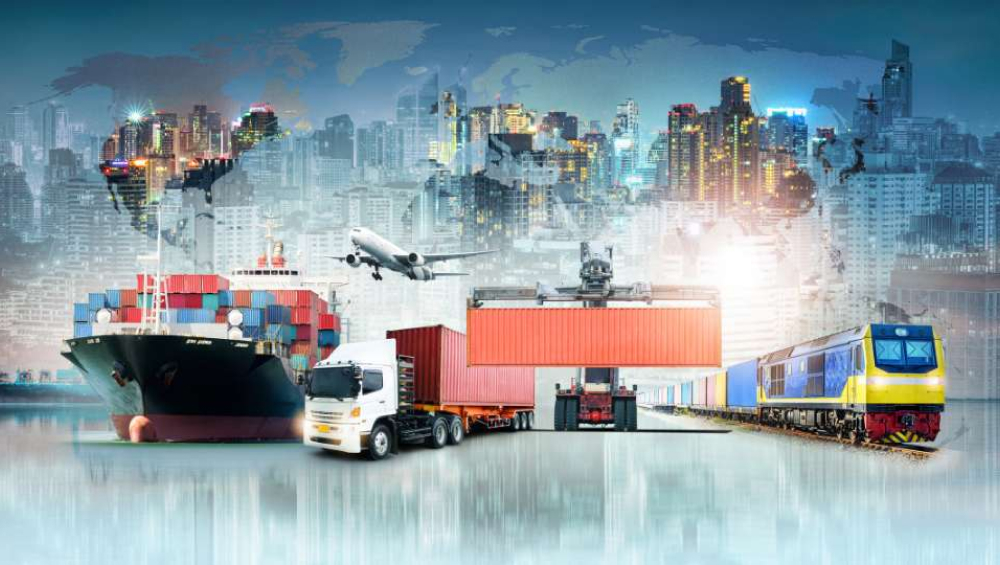
Ocean freight rates from China are rising again as exporters accelerate shipments ahead of the holiday season, spurred by concerns over potential US tariff hikes and ongoing disruptions in the Red Sea. The Shanghai Containerized Freight Index climbed to 3,050 on May 17, surpassing levels not seen since August 2022. This upward trend is expected to continue as more exporters secure space on vessels bound for the US and Europe to fulfill orders.
Judah Levine, head of research at Freightos, noted that shippers may face prolonged periods of high rates and increased delays due to strong demand and limited capacity. However, he suggested that these disruptions and price spikes might not reach the severity seen during the pandemic.
US Tariff Hikes
Chinese exporters, ranging from garment manufacturers to producers of toys and holiday decorations, typically begin shipping goods ordered by Western buyers for Christmas and New Year starting in July. This year, concerns escalated after US President Joe Biden announced potential tariffs on $18 billion worth of Chinese goods, including electric vehicles, battery parts, and solar cells, although these tariffs have not yet been implemented.
Although the additional tariffs have not been implemented yet, the cost of shipping a 20-foot container from Shanghai to Europe has risen to over $7,000, an increase of approximately $1,000 from the previous month, according to Xiong Hao of Shanghai Jump International Shipping. He highlighted a shortage of empty containers in Shanghai due to soaring demand from exporters.
HSBC highlighted in a research report that US retailers’ depletion of inventories has heightened reliance on imports to meet consumer demand, thereby boosting demand for container transportation. Concerns about escalating trade tensions between the US and China have prompted manufacturers to expedite shipments of finished goods.
Red Sea Crisis
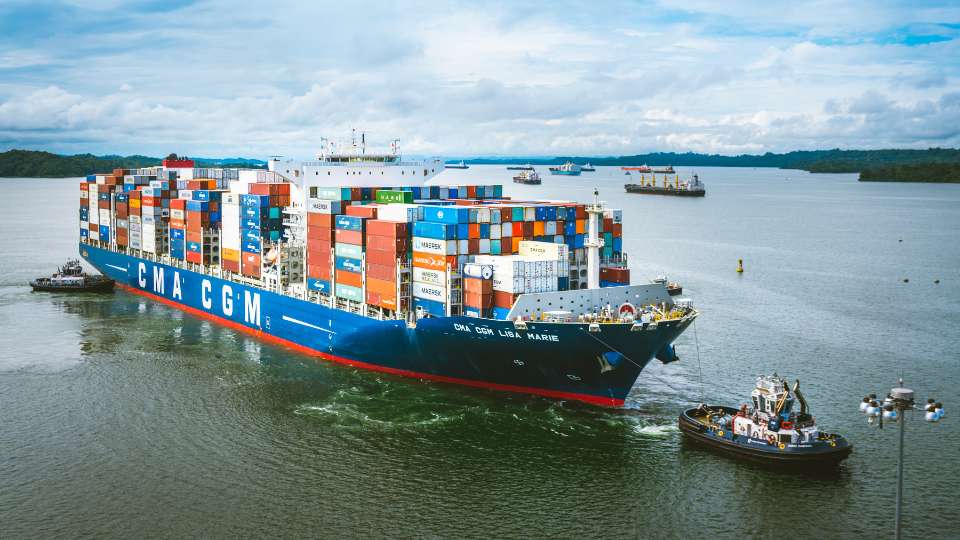
As the ongoing Red Sea shipping crisis continues to disrupt global supply chains, shipping costs have surged significantly with little room for decrease. Major shipping companies have responded by raising prices across various routes to adapt to these challenges.
Data from the Shanghai Shipping Exchange as of May 31 indicates that the Shanghai Containerized Freight Index (SCFI), which reflects actual shipping rates, has seen continuous increases for eight consecutive weeks. Over the month of May, the index has risen by more than 50%.
For sellers engaged in cross-border e-commerce, sea freight remains a popular and cost-effective choice compared to air freight. The sharp rise in sea freight prices in 2021 had a substantial impact on many cross-border sellers, reducing their profit margins. Now, three years later, a supply shortage exacerbated by the Red Sea shipping crisis could lead to similar challenges. If the crisis persists, the situation may worsen significantly, especially during peak shipping seasons.
What’s Driving Demand?
After China lifted its initial coronavirus lockdown in the second quarter of 2020, companies rapidly increased production to satisfy pent-up global demand, reaffirming China’s status as the world’s leading manufacturing hub.
Certainly, the peak shipping season has commenced earlier than expected. Alongside geopolitical influences that have disrupted the supply-demand equilibrium in shipping and led to price increases, there has been a steady increase in demand due to the gradual recovery of the global economy.
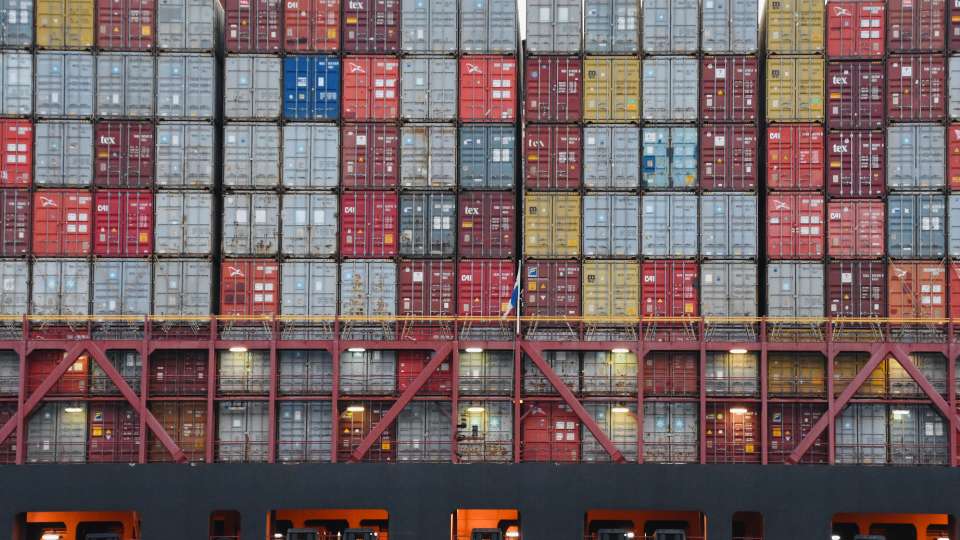
In August 2021, during the peak shipping season to the US and Europe before the holidays, exporters fiercely competed for container slots, sometimes paying rates up to ten times higher than usual. By September 2022, shipping container prices from Shanghai to the US had plummeted by nearly 90% from their peak.
In the first four months of 2024, China’s total import and export trade in goods reached a record high of RMB 13.81 trillion (USD 1.9 trillion), marking a 5.7% increase compared to the same period last year. This growth has been primarily driven by exports. Concurrently, China’s international container throughput at ports has shown consistent growth, rising by 10.3% year-on-year during the first four months of 2024. This acceleration began in the fourth quarter of the previous year and has contributed to a rebound in demand within the international container shipping market.
Shanghai has maintained its position as the world’s busiest container port since 2010, surpassing Singapore, which now ranks second.
The trading environment is marked by pronounced volatility, evident in the frequent updates of container prices every 48 hours. This volatility underscores the market’s heightened sensitivity to geopolitical tensions and uncertainties. Depots in the US and Europe are experiencing higher utilization rates, leading to escalated equipment usage fees and storage rental charges since the onset of the Houthi attacks in November. These dynamics emphasize the ongoing challenges and adjustments that traders must navigate in the current global economic landscape.
与东证期货新加坡开启交易
作为 上海期货交易所(SHFE), 上海国际能源交易中心(INE), 大连商品交易所(DCE)以及 郑州商品交易所(ZCE)的境外中介机构,东证期货新加坡为国际化期货合约提供直达交易、清算及结算服务。我们的母公司上海东证期货,是中国五家期货交易所中合计交易量最大的经纪商之一。
除中国市场准入外,东证期货新加坡亦是新加坡交易所(SGX)、新加坡亚太交易所(APEX)及洲际(新加坡)交易所(IFSG)的会员。企业客户更可通过我们参与巴西B3交易所交易,进一步拓展全球交易机会。
东证期货新加坡是亚太交易所、新加坡衍生品交易所以及洲际新加坡交易所的 交易和清算会员, 为客户提供覆盖国际市场的综合交易服务。