
Derivatives are financial instruments whose value is derived from an underlying asset, such as stocks, bonds, commodities, or currencies. They play a crucial role in modern financial markets, offering opportunities for risk management and profit maximization.
Types of Derivatives
期货 – Agreement to buy or sell a specified underlying asset at a predetermined price on a future date, obligating the buyer to purchase or the seller to sell the asset regardless of its market price at the contract’s expiration.
期权 – Contract granting the purchaser the right, but not the obligation, to buy or sell an asset at a predetermined price in the future. By paying a premium, the option holder secures the opportunity to execute the purchase or sale of the security within a specified period.
Swaps – Agreement between two parties to exchange assets that have cash flows for a set period of time.
Forward Contracts – Non-standardized contracts between two parties to buy or sell an asset at a specified future date for a price agreed upon today.
Understanding the Derivative Markets
Derivative markets are categorized into exchange-traded (ETD) and over-the-counter (OTC) markets. Exchange-traded derivatives are uniform and traded on regulated exchanges, whereas OTC derivatives are bespoke contracts transacted directly between private parties.
Learn more about the differences between ETD and OTC Derivatives 详情。
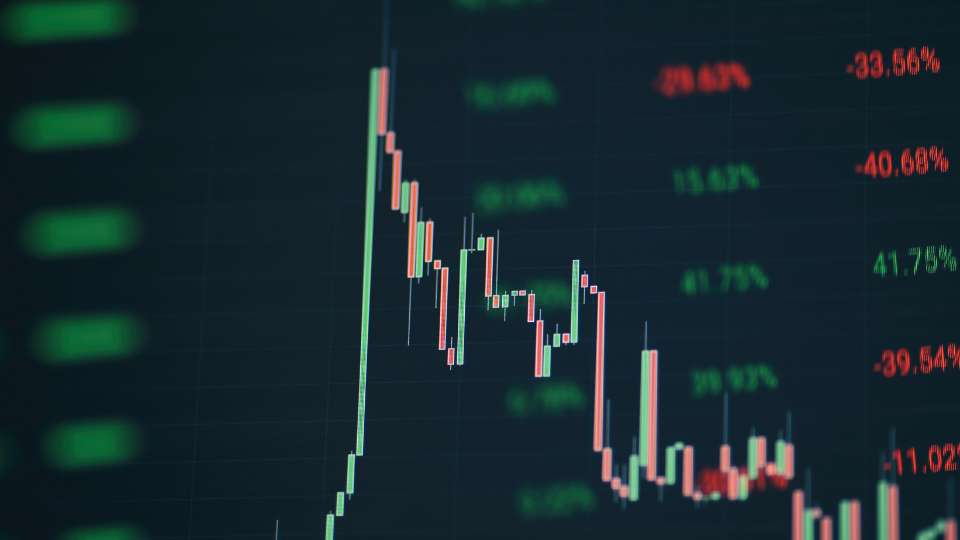
Benefits and Risks of Trading Derivatives
Trading derivatives provides several advantages, such as hedging for risk management, access to a variety of markets, and the potential to amplify profits through leverage. Derivatives can also be acquired on margin, allowing traders to use borrowed funds, which can lower costs further.
However, derivative trading carries inherent risks, including exposure to market fluctuations, the possibility of counterparties defaulting, and challenges related to liquidity. Valuing derivatives can be complex due to their reliance on underlying asset prices. Effectively comprehending and mitigating these risks are essential for achieving success in trading derivatives.
Strategies for Successful Derivative Trading
Successful derivative trading relies on employing effective strategies tailored to specific market conditions and risk tolerances. Hedging is a fundamental strategy aimed at mitigating risks by using derivatives to offset potential losses in other investments.
Speculative strategies involve taking calculated risks to capitalize on anticipated market movements, leveraging opportunities for profit, while arbitrage seeks to exploit price differentials between related assets or markets to secure risk-free returns.
Additionally, spread trading involves simultaneously buying and selling related contracts to profit from price differentials or changes in market conditions. Successful traders also emphasize disciplined risk management, employing stop-loss orders and position sizing to limit potential losses and preserve capital.
Continual monitoring of market trends, staying informed about economic indicators, and understanding the underlying factors influencing asset prices are essential components of a successful derivative trading strategy.

Market Trend Trading Strategies
Effective derivative trading often incorporates technical analysis to analyze market trends and fundamental analysis to assess underlying assets. Trend traders focus on identifying and capitalizing on trends to generate profits. There are many different trend trading strategies using a variety of technical indicators:
Moving Averages: These strategies entail initiating long positions when a short-term moving average surpasses a long-term moving average, and initiating short positions when a short-term moving average falls below a long-term moving average.
Momentum Indicators: These strategies involve entering long positions when a security shows strong momentum in its trend and exiting these positions when the momentum diminishes. The relative strength index (RSI) is frequently employed in these strategies to gauge momentum levels.
Trendlines & Chart Patterns: These strategies entail initiating long positions in a security as it trends upwards and setting a stop-loss below crucial trendline support levels. If the stock begins to reverse, the position is closed to secure a profit.
Indicators help streamline price data and can signal trends or potential reversals in trading. They are adaptable across different time frames and can be customized to fit a trader’s preferences.
It’s generally recommended to combine indicator strategies or develop personalized guidelines to clearly define entry and exit criteria for trades. Each indicator offers versatility beyond basic applications. If an indicator interests you, conducting thorough research and testing it rigorously before applying it to live trades is crucial.
与东证期货新加坡开启交易
作为 上海期货交易所(SHFE), 上海国际能源交易中心(INE), 大连商品交易所(DCE)以及 郑州商品交易所(ZCE)的境外中介机构,东证期货新加坡为国际化期货合约提供直达交易、清算及结算服务。我们的母公司上海东证期货,是中国五家期货交易所中合计交易量领先的经纪商。
除中国市场准入外,东证期货新加坡亦是新加坡交易所(SGX)、新加坡亚太交易所(APEX)及洲际(新加坡)交易所(IFSG)的会员。企业客户更可通过我们参与巴西B3交易所交易,进一步拓展全球交易机会。
东证期货新加坡是亚太交易所、新加坡衍生品交易所以及洲际新加坡交易所的 交易和清算会员, 为客户提供覆盖国际市场的综合交易服务。