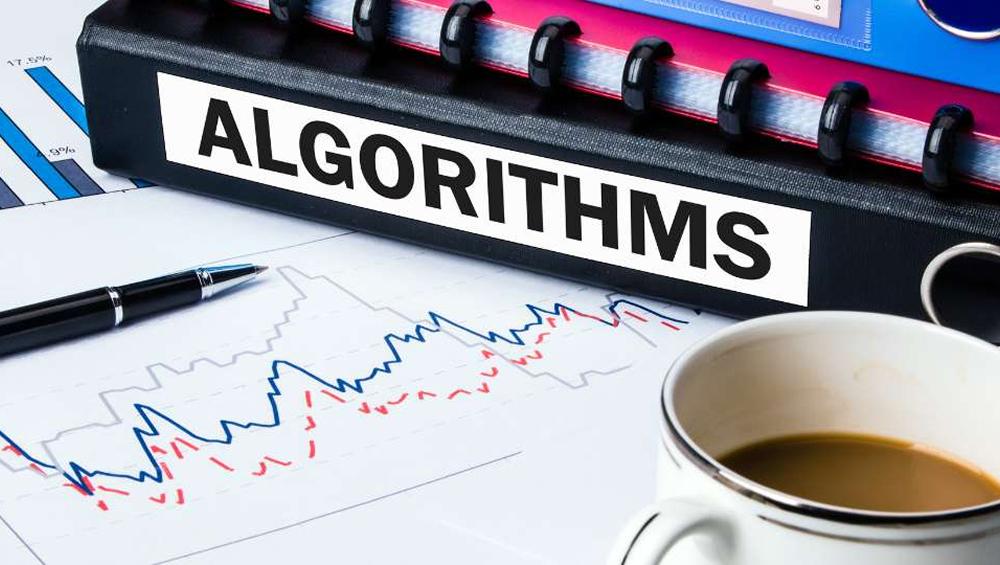
Algorithm trading, also known as automated trading, black-box trading, or algo-trading, utilises a computer program that executes trades based on a predetermined set of rules or algorithms. These instructions, which can be based on factors such as timing, price, quantity, or mathematical models, allow for trades to be made at a speed and frequency unattainable by human traders. In addition to providing opportunities for traders, algorithmic trading enhances market liquidity and makes trading more systematic by eliminating the influence of human emotions.
How Does Algorithm Trading Works?
Consider a scenario where a trader wants to capitalize on small price discrepancies between two stocks, typically with high correlation. The algorithm is programmed to buy Stock A and simultaneously sell Stock B when the price difference between them exceeds a certain threshold.
For instance, if the algorithm is set to act when the price difference between Stock A and Stock B is more than $0.50, it will automatically execute the trades as soon as this condition is met. The trades happen in milliseconds, allowing the trader to profit from this small price difference before the market corrects itself. This is an example of a strategy known as “pairs trading.”
Algorithmic trading strategies can range from simple rule-based approaches like this one to more complex strategies involving multiple variables and sophisticated data analysis.
Advantages of Algorithm Trading
Optimal Execution – Trades are executed at the most favorable prices available.
Minimal Latency – Trade orders are placed instantly and with precision, increasing the likelihood of execution at the desired price levels. This ensures trades are timed perfectly to avoid significant price fluctuations.
Lower Transaction Costs – Algo-trading helps reduce overall trading costs.
Automated Market Analysis – The system can simultaneously monitor and analyze multiple market conditions automatically.
Elimination of Human Error – Reduces the risk of manual mistakes in trade execution and avoids the influence of emotional or psychological factors on trading decisions.
Backtesting Capabilities – Algorithms can be tested against historical and real-time data to determine the viability of the trading strategy.
Disadvantages of Algorithm Trading
Black Swan Events – Algo-trading uses historical data and mathematical models to forecast market movements. However, unexpected market disruptions, known as black swan events, can lead to significant losses for algorithmic traders.
Technology Dependence – Algo-trading heavily relies on technology, such as computer programs and high-speed internet connections. Technical glitches or failures can disrupt trading and result in financial losses.
Market Impact – Large algorithmic trades can significantly affect market prices, potentially causing losses for traders who can’t adjust their strategies quickly enough. Algo-trading has also been linked to increased market volatility, sometimes contributing to events like flash crashes.
Regulatory Challenges – Algorithmic trading is governed by various regulations and oversight, which can be complex and time-consuming to navigate and comply with.
Limited Customization – Algo-trading systems operate based on predefined rules and instructions, which may restrict traders’ ability to customize their strategies to meet specific needs or preferences.
Lack of Human Judgment – Since algorithmic trading relies on mathematical models and historical data, it doesn’t account for the subjective and qualitative factors that can influence market movements. This lack of human intuition can be a drawback for traders who prefer a more instinctive approach.
Technical Requirements for Algorithm Trading
Implementing the algorithm through a computer program is the final step in algorithm trading, which includes backtesting (testing the algorithm on historical market data to evaluate its potential profitability). The challenge lies in converting the identified strategy into an automated process that can access a trading account to execute orders. The key requirements for algorithmic trading are:
- Knowledge of computer programming to code the trading strategy, hiring programmers, or using pre-built trading software.
- Network connectivity and access to trading platforms for placing orders.
- Access to market data feeds, which the algorithm will monitor to identify trading opportunities.
- The capability and infrastructure to backtest the system once it’s developed, ensuring it performs well before being deployed in live markets.
- Availability of historical data for backtesting, depending on the complexity of the rules embedded in the algorithm.
The Bottom Line
Algorithm trading combines computer software and financial markets to automatically open and close trades based on programmed instructions. Traders can set specific criteria for when they want trades executed and can use computing power for high-frequency trading.
With numerous strategies available, algorithm trading is widely used in today’s financial markets. To embark on this journey, you’ll need the right computer hardware, programming expertise, and a deep understanding of financial markets.
Equally crucial is selecting a reliable broker like Orient Futures Singapore, who can offer the necessary infrastructure for successful trading. A trusted broker ensures you have access to essential tools, data feeds, and platform access to effectively deploy your algorithmic strategies.
东证期货国际(新加坡)简介
作为上海国际能源交易中心(INE)、大连商品交易所(DCE)及郑州商品交易所(ZCE)的境外中介机构,境外客户通过我们参与中国市场的国际化期货合约时,可直通交易、清算及结算全流程。我们的母公司上海期货,是中国五家监管期货交易所中按总交易量计排名居前的经纪商。
东证期货新加坡是新加坡交易所、亚太交易所和洲际(新加坡)交易所成员。
我们提供机构级的客户服务。交易日内,我们的团队提供全天候支持,并依托简化的流程、直观的操作界面以及通过设备托管服务打造的低延迟基础设施,为您构建一个流畅、一站式的交易执行环境。这一切都旨在确保卓越的性能与可靠性。