What is commodity trading?
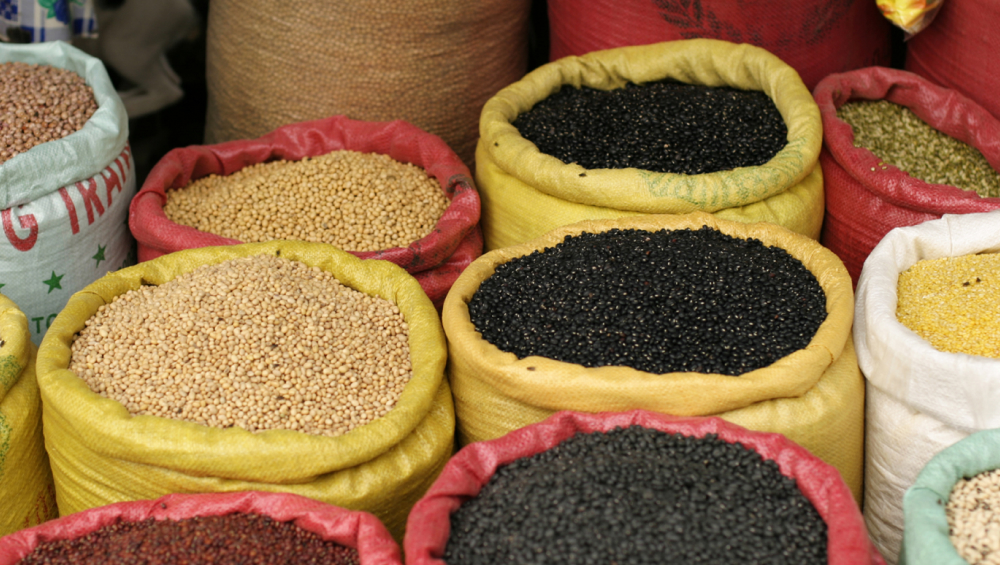
Commodity trading refers to the buying and selling of commodities in financial markets. Commodities are raw materials or primary agricultural, energy, or metal products that are traded on dedicated exchanges. Examples of commodities include crude oil, gold, wheat, natural gas, soybean, and copper.
Trading commodities as futures offers investors a unique opportunity to participate in the global commodity markets. By entering futures contracts, traders can speculate on the price movements of various commodities such as agriculture products, oil, gold, wheat, or natural gas, among others.
These contracts provide a standardized way to buy or sell a specific quantity of a commodity at a predetermined price and future date. With the potential for profit from both rising and falling prices, commodity futures trading allows for diversification and hedging strategies. It also provides liquidity, transparency, and accessibility to a wide range of market participants, including individual traders, institutional investors, and corporations.
Why trade commodities?
Trading in commodities serves several purposes. First, it allows producers and consumers of commodities to manage their price risk. For example, a farmer may sell futures contracts for their crop to lock in a favorable price, ensuring stability and reducing the impact of price fluctuations. On the other hand, a manufacturer may buy futures contracts to secure a steady supply of raw materials at a predictable cost.
Secondly, commodity trading provides an avenue for speculators and investors to participate in the financial markets. Speculators aim to profit from price fluctuations by buying contracts when they anticipate prices will rise and selling when they expect prices to fall. Investors may include commodities in their portfolio as a diversification strategy or as a hedge against inflation or other economic risks.
10 most traded commodities
The top 10 most traded commodities represent a diverse range of products that fuel industries, drive economic growth, and satisfy basic human needs.
Here are the top 10 most traded commodities:
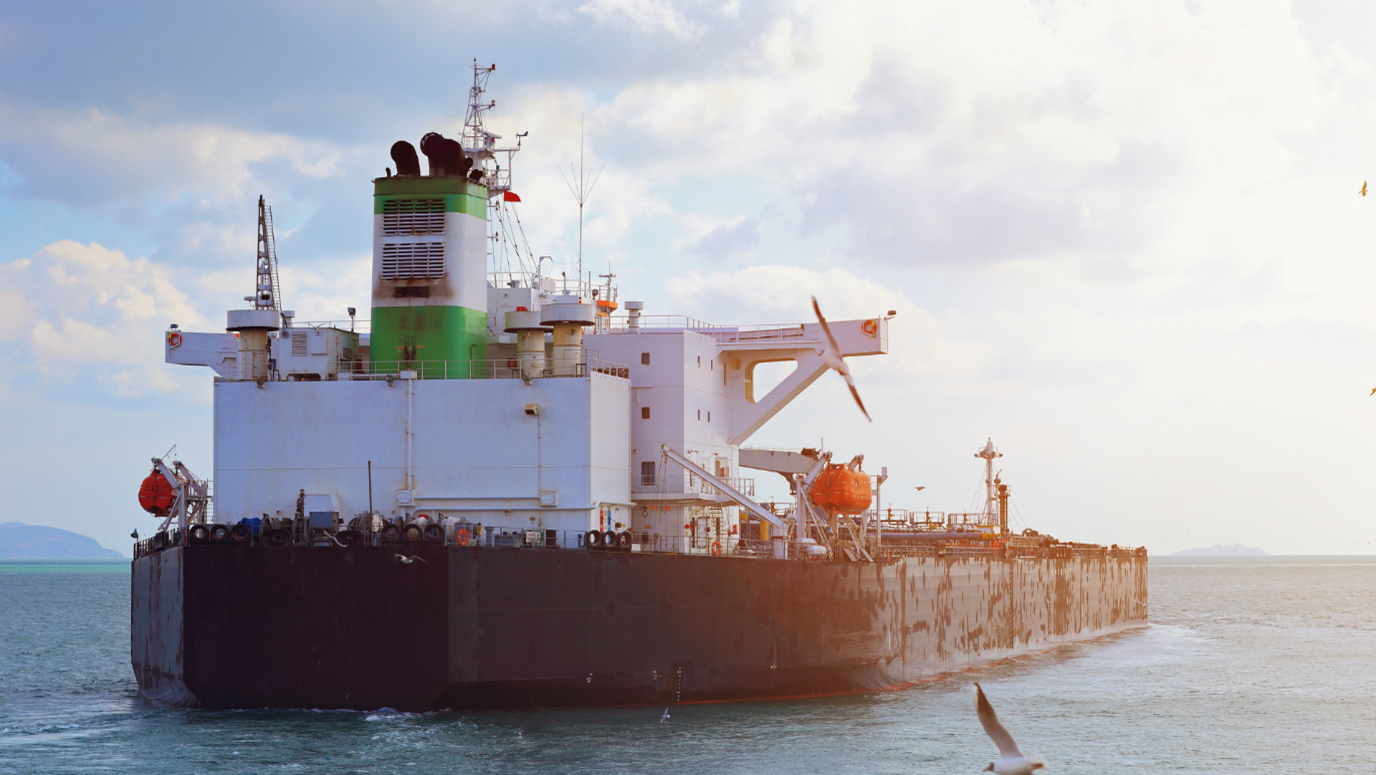
- 原油: Crude oil is the most traded commodity globally and serves as a vital source of energy for transportation, manufacturing, and various industries.
- Gold: Gold is a precious metal widely traded for its value as a store of wealth and as a hedge against inflation and economic uncertainties.
- Silver: Silver is another precious metal that is traded for both investment and industrial purposes, including jewelry, electronics, and solar panels.
- Natural Gas: Natural gas is a clean-burning fossil fuel used for heating, electricity generation, and industrial processes.
- Copper: Copper is an essential industrial metal used in construction, electrical wiring, transportation, and manufacturing sectors.
- Wheat: Wheat is a major agricultural commodity and a staple food crop, with trading influenced by factors like weather conditions, global demand, and supply projections.
- Corn: Corn, also known as maize, is a widely traded grain commodity used for food, animal feed, and ethanol production.
- Soybeans: Soybeans are a major agricultural commodity traded for their use in animal feed, cooking oil, and various food products.
- 糖: Sugar is a widely traded agricultural commodity used in food and beverage production, and its trading is influenced by factors like weather conditions, global supply and demand, and government policies. You can trade sugar futures such as ICE white sugar futures.
- 花生: Peanut kernels are one of the most traded commodities due to their versatile uses in food, confectionery, and oil production industries, making them a staple ingredient in various products globally.
The commodity markets are typically divided into two main categories: spot markets and derivatives markets. The spot market involves the immediate purchase and delivery of physical commodities. The derivatives market, on the other hand, involves the trading of financial contracts whose value is derived from the underlying commodity. The most traded derivative contracts in commodity trading are futures contracts, which obligate the buyer and seller to fulfill the contract’s terms at a specified future date.
How to trade commodities?
Orient Futures Singapore offers commodities futures from a range of exchanges such as internationalised products from Shanghai International Energy Exchange (INE), Dalian Commodity Exchange (DCE), and Zhengzhou Commodity Exchange (ZCE), as well as products from Singapore Exchange (SGX), Asia Pacific Exchange (APEX), and ICE Futures Singapore (ICE SG) and more.
Internationalised products from 上海国际能源交易中心(INE):
- Bonded Copper Futures
- Low Sulphur Fuel Oil Futures
- Medium Sour Crude Oil Futures
- TSR 20 (Rubber) Futures
Internationalised products from 大连商品交易所(DCE):
- Iron Ore Futures
- RBD Palm Oil Futures
- RBD Palm Oil Options
- No.1 Soybean Futures
- 大豆1号期权
- No.2 Soybean Futures
- No.2 Soybean Options
- Soybean Meal Futures
- 豆粕期权
- Soybean Oil Futures
- 豆油期权
Internationalised products from Zhengzhou Commodity Exchange (ZCE):
- Pure Terephthalic Acid
- Rapeseed Oil Futures
- 菜籽油期权
- 菜籽粕
- 菜籽粕期权
- 花生
- 花生期权
东证期货国际(新加坡)简介
作为上海国际能源交易中心(INE)、大连商品交易所(DCE)及郑州商品交易所(ZCE)的境外中介机构,境外客户通过我们参与中国市场的国际化期货合约时,可直通交易、清算及结算全流程。我们的母公司上海期货,是中国五家监管期货交易所中按总交易量计排名居前的经纪商。
东证期货新加坡是新加坡交易所、亚太交易所和洲际(新加坡)交易所成员。
我们提供机构级的客户服务。交易日内,我们的团队提供全天候支持,并依托简化的流程、直观的操作界面以及通过设备托管服务打造的低延迟基础设施,为您构建一个流畅、一站式的交易执行环境。这一切都旨在确保卓越的性能与可靠性。