Copper is essential for global electrification and decarbonization efforts. WoodMac predicts that copper demand could surge by 75%, reaching 56 million tonnes by 2050. In an August report, the firm highlighted that excluding China from the global copper supply chain would create an $85 billion shortfall for Western economies, a gap that would be nearly impossible to fill.
According to the International Energy Agency, existing mines and projects under construction will only satisfy 80% of copper demand by 2030.
However, increasing supply isn’t just about developing new mines; downstream processing, such as smelting, refining, and semi-manufacturing, plays a crucial role. Currently, China dominates these sectors, a fact that WoodMac analysts believe is being overlooked.
China’s Market Dominance
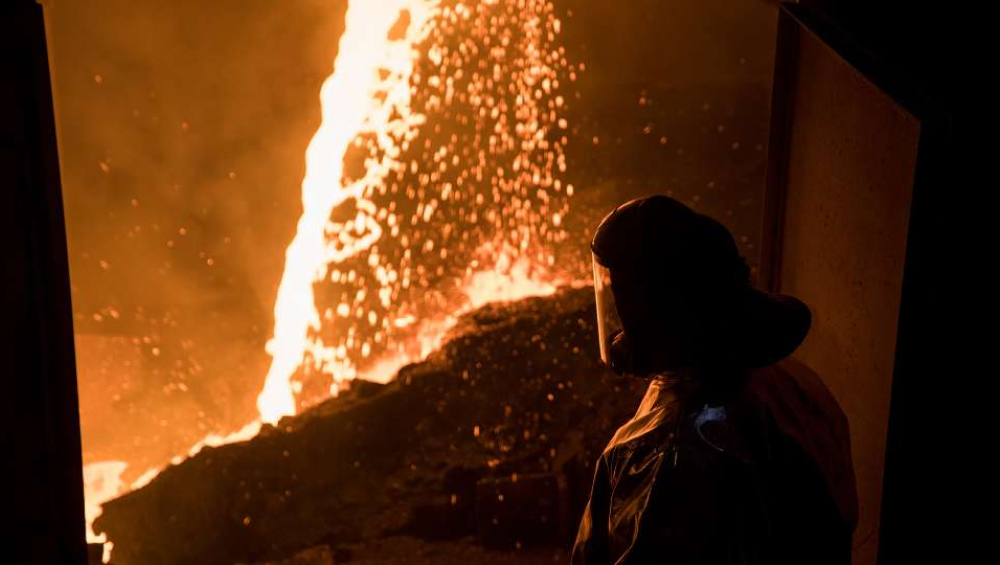
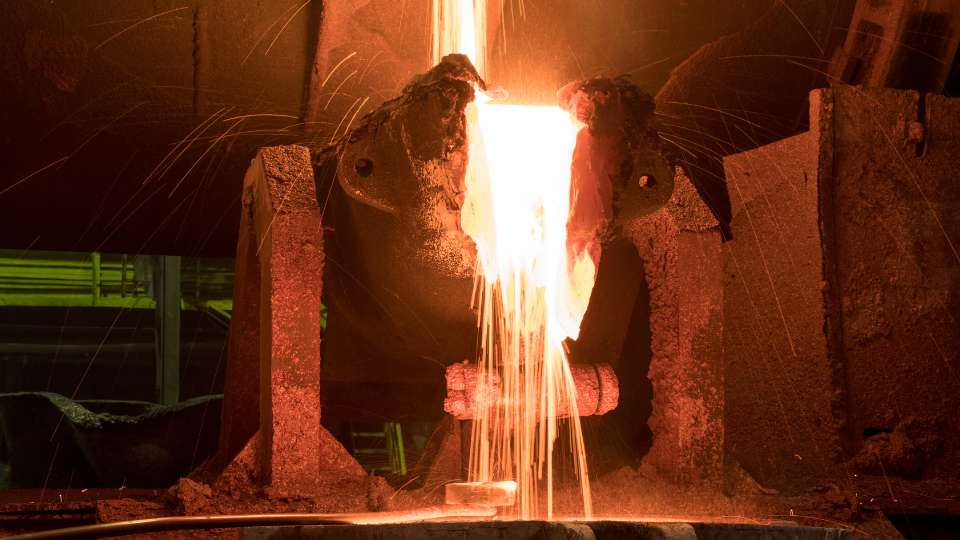
WoodMac estimates that nearly 80% of copper mining results in copper concentrate, which must be processed at smelters and refineries to produce copper cathodes for terminal markets. Since 2000, China has driven 75% of global smelter capacity growth and now dominates almost all global smelting and refining capacity (97%). This accounts for over 3 million tonnes of production and nearly $25 billion in investment.
Since 2019, China has also added nearly 11 million tonnes of copper and alloy capacity, representing about 80% of global additions. Approximately two-thirds of these facilities produce wire rods, giving China control of half the world’s fabrication capacity, with more expansion planned.
“China’s copper smelting industry has undergone significant evolution,” said Zhifei Liu, managing consultant, copper markets, at WoodMac. “In the 2000s, a drive for stricter environmental and efficiency standards led to the modernization of smelting capabilities.
Meanwhile, some semi-fabricators outside of China are struggling with lower utilization rates and higher operating costs, even with initiatives like the Inflation Reduction Act. Additionally, there are no plans for new primary smelting capacities in North America or Europe.
A Diversification Away From China?
Without China, which currently accounts for 50% of global copper demand, significantly more processing capacity would be needed to meet energy transition goals.
WoodMac estimates that over the next decade, an additional 8.6 million tonnes of copper demand outside China will emerge, largely driven by growth in transportation, power, and electrical networks. This would require 70% of the world’s smelter capacity and 55% of its fabricator capacity outside of China.
Nearly $85 billion in new smelting and refining capacity would be necessary to replace Chinese supply, but capacity outside of China has barely increased in the last 20 years, raising doubts about the feasibility of such a shift.
Nick Pickens, WoodMac’s research director for global mining, emphasized that meeting energy transition targets would require a significant increase in processing capacity.
Compromise Needed for a Feasible Energy Transition
While efforts to mitigate copper supply risks are underway in various countries, China’s overwhelming dominance in the supply chain makes “complete replacement unfeasible,” according to Pickens. He warned that building new processing and fabrication facilities could lead to higher costs and delays in the energy transition. Financing these projects faces significant challenges, especially in Europe, where environmental and social resistance to new smelters is strong.
The report suggests that without a dramatic increase in capital deployment and operational efficiency globally, decoupling from China will lead to a slower and more expensive energy transition. WoodMac emphasizes the need for pragmatism and compromise to achieve net-zero goals.
与东证期货新加坡开启交易
作为 上海期货交易所(SHFE), 上海国际能源交易中心(INE), 大连商品交易所(DCE), 郑州商品交易所(ZCE)以及 广州期货交易所(GFEX), Orient Futures Singapore provides direct access to trading, clearing, and settlement for internationalised futures contracts in China. Our parent company, Shanghai Orient Futures, is one of the largest brokers by aggregated trading volume across China’s five regulated exchanges.
除中国市场准入外,东证期货新加坡亦是新加坡交易所(SGX)、新加坡亚太交易所(APEX)及洲际(新加坡)交易所(IFSG)的会员。企业客户更可通过我们参与巴西B3交易所交易,进一步拓展全球交易机会。
东证期货新加坡是亚太交易所、新加坡衍生品交易所以及洲际新加坡交易所的 交易和清算会员, 为客户提供覆盖国际市场的综合交易服务。