The global commodity market is broadly divided into two primary categories: hard commodities and soft commodities. Understanding this distinction is essential for traders and investors seeking exposure to raw materials markets.
Hard commodities refer to natural resources that are extracted or mined from the earth. These include gold, crude oil, copper, aluminum, and natural gas. Their supply is influenced by geological availability, extraction capacity, geopolitical factors, and industrial demand.
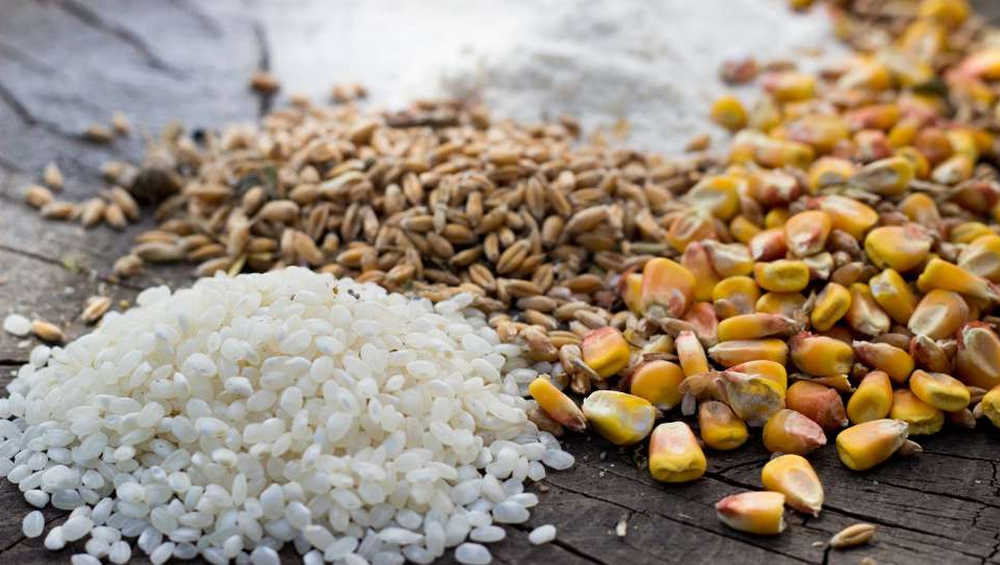
Soft commodities, by contrast, are agricultural products that are grown, cultivated, or raised. These include sugar, wheat, corn, soybeans, palm oil, coffee, cocoa, cotton, and livestock. Unlike hard commodities, soft commodities depend heavily on climate conditions, planting cycles, soil health, and seasonal harvest patterns.
Because of their reliance on biological growth cycles and weather conditions, soft commodities often experience unique supply risks and price volatility. This makes them particularly attractive, and sometimes challenging, for traders.
This guide explores what soft commodities are, why traders participate in these markets, where they are traded, and how to approach soft commodities trading.
What Are Soft Commodities?
Soft commodities are agricultural products that are typically used for food, animal feed, textiles, and industrial processing. They form the backbone of global food supply chains and consumer staples.
Common soft commodities include:
- Grains: Wheat, corn, rice
- Oilseeds: Soybeans, palm oil, rapeseed
- Beverage crops: Coffee, cocoa
- Sweeteners: Sugar
- Fibers: Cotton
- Livestock: Cattle and hogs
These commodities are essential for daily consumption and industrial production. As global populations grow and dietary patterns evolve, demand for agricultural commodities remains structurally significant.
However, supply is inherently uncertain. Weather events, droughts, floods, pest outbreaks, and soil degradation can disrupt harvests. Political decisions, trade restrictions, export bans, and transportation bottlenecks also influence availability and pricing.
Why Trade Soft Commodities?
There are several reasons why traders and investors are drawn to soft commodity markets.
1. Price Volatility Creates Opportunity
Agricultural markets are highly sensitive to supply disruptions. Even minor changes in weather forecasts can trigger sharp price movements. For traders who operate in volatile environments, these frequent price swings create short-term trading opportunities.
For example, drought conditions in a major producing region can quickly reduce crop yield expectations, pushing prices higher. Conversely, favorable growing conditions may increase supply forecasts, leading to price declines.
2. Global Demand Dynamics
Soft commodities are closely tied to global consumption patterns. Population growth, rising incomes, and changing dietary preferences influence demand for grains, vegetable oils, and livestock feed.
Emerging markets in Asia and Africa, for instance, have increased demand for protein-rich diets, driving soybean and corn consumption for animal feed.
3. Geopolitical and Trade Impacts
Agricultural markets are sensitive to geopolitical developments. A notable example was the Ukraine-Russia conflict, which disrupted grain exports from one of the world’s largest corn and wheat producing regions. At one-point, Ukrainian corn output was reported to be significantly lower than prior years, tightening global supply and causing price surges.
Trade policies, tariffs, and export quotas can similarly impact global pricing structures.
4. Portfolio Diversification
Soft commodities can serve as a diversification tool within broader investment portfolios. Agricultural prices do not always move in direct correlation with equities, fixed income, or industrial commodities, providing potential risk-balancing characteristics.
Risks of Trading Soft Commodities
While volatility creates opportunity, it also increases risk.
Soft commodities are inherently exposed to:
- Weather shocks (droughts, hurricanes, floods)
- Disease outbreaks affecting crops or livestock
- Government intervention and export restrictions
- Currency fluctuations impacting global trade
- Supply chain disruptions
When trading soft commodities using derivatives such as futures or options, especially on leverage, price movements can amplify gains and losses. Effective risk management is therefore essential.
Traders commonly use:
- Stop-loss orders
- Position sizing controls
- Hedging strategies
- Diversification across commodities
Disciplined execution is critical in agricultural markets where price spikes can occur rapidly.
Where Are Soft Commodities Traded?
Soft commodities are typically traded on established futures exchanges, including:
- ICE (Intercontinental Exchange)
- CBOT (Chicago Board of Trade)
- Kansas City Board of Trade (KCBT)
- Dalian Commodity Exchange (DCE)
- Zhengzhou Commodity Exchange (ZCE)
These exchanges offer standardised futures and options contracts that allow participants to hedge price risk or speculate on future price movements.
In addition to exchange-traded derivatives, soft commodities may also be traded over-the-counter (OTC) through licenced brokers. OTC trading provides access to multiple markets through a single platform and may offer additional flexibility in contract structures.
Through brokerage platforms, traders may access:
- Spot markets (current market prices)
- Undated or rolling contracts
- Futures contracts with specified expiry dates
- Options contracts providing directional or volatility strategies
Each approach carries different levels of flexibility, margin requirements, and risk exposure.
How to Trade Soft Commodities
If you are considering trading soft commodities, here are structured steps to follow:
1. Choose Your Trading Instrument
Decide whether to trade:
- Spot contracts (immediate pricing exposure)
- Futures contracts (fixed expiry dates)
- Options (rights without obligation)
Futures contracts are commonly used for agricultural trading due to standardised specifications and liquidity.
2. Select a Focused Market
There are dozens of agricultural products available globally. Beginners may benefit from focusing on one or two key commodities — such as corn or soybeans — to develop familiarity with seasonal patterns and supply drivers.
3. Analyse Market Drivers
Before entering a trade, evaluate:
- Global supply and demand trends
- Crop production forecasts
- Weather conditions in major growing regions
- Export and import data
- Currency movements
- Government policy announcements
These fundamental factors heavily influence price direction.
4. Apply Risk Management
Determine your risk tolerance and apply:
- Stop-loss levels
- Target profit zones
- Defined position sizing
Closing trades systematically is essential. Agricultural markets can move sharply in response to new information, so disciplined exits are as important as entry strategies.
The Role of Soft Commodities in Global Markets
Soft commodities play a critical role in global food security, biofuel production, and industrial processing. As climate variability increases and geopolitical tensions affect supply chains, agricultural markets are likely to remain dynamic and strategically important.
For traders and investors, understanding seasonal cycles, weather risks, and global consumption patterns is essential when navigating these markets.
With appropriate knowledge, disciplined risk management, and access to reliable trading infrastructure, soft commodities can offer meaningful opportunities within a diversified trading strategy.
Start Trading with Orient Futures Singapore
Being an Overseas Intermediary of Shanghai International Energy Exchange (INE), Dalian Commodity Exchange (DCE), and Zhengzhou Commodity Exchange (ZCE), when foreign clients participate in internationalised futures contracts in these Chinese markets with us, they have direct access to trading, clearing, and settlement. Our parent company, Shanghai Orient Futures, is the largest broker in terms of aggregated volume across the five regulated exchanges in China.
Orient Futures Singapore also currently holds memberships at the Singapore Exchange (SGX), Asia Pacific Exchange (APEX), and ICE Futures Singapore (ICE SG).
We deliver institutional-grade client service. Our team provides 24-hour support on trading days, offering a seamless, one-stop execution environment supported by streamlined processes, an intuitive interface, and low-latency infrastructure through our co-location service designed for performance and reliability.