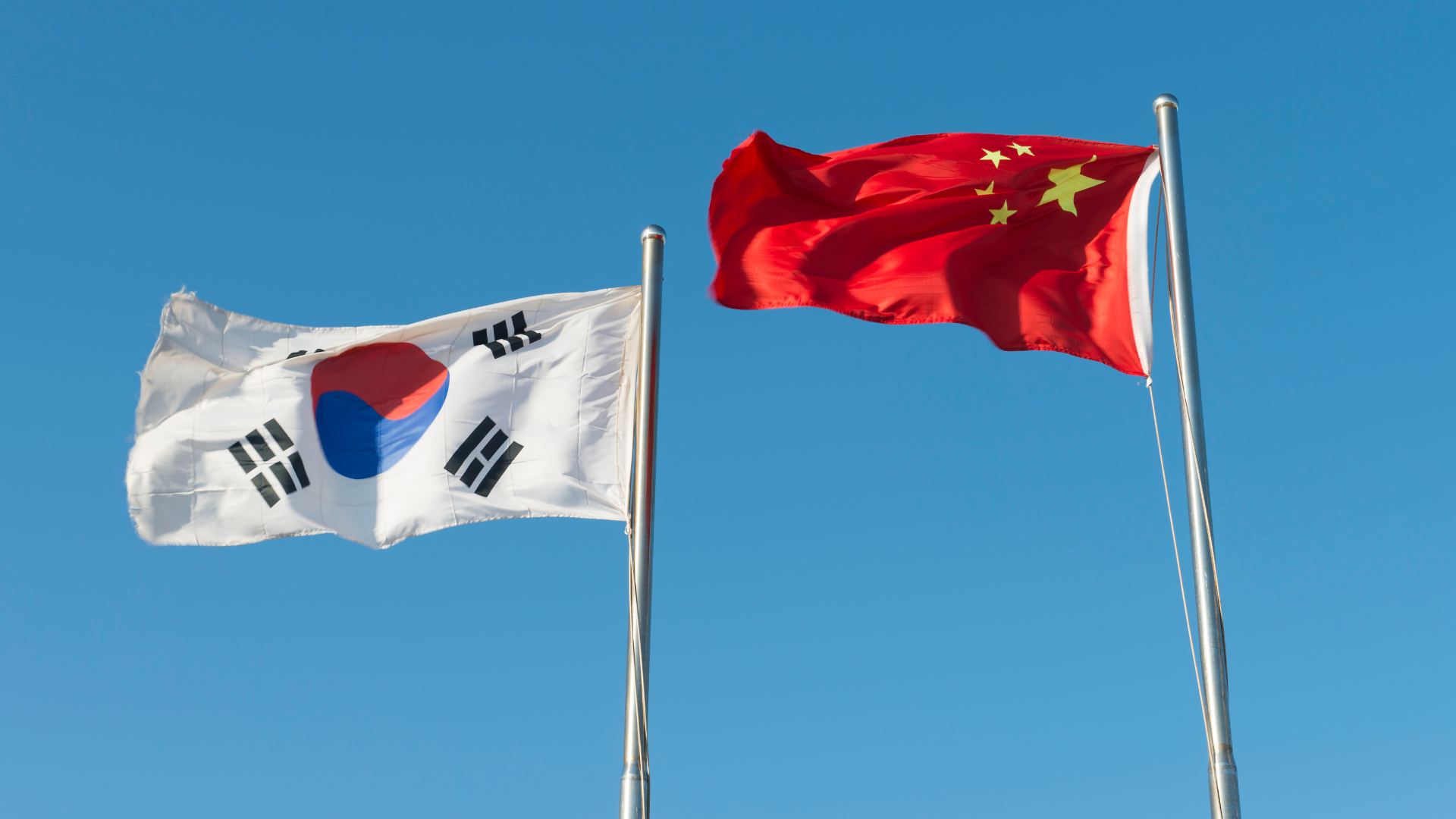
South Korea is actively seeking to normalize its relationship with China, a strategic move underscored by a recent special envoy mission led by former parliament speaker Park Byeong-seug to Beijing. The diplomatic overture highlights the delicate balancing act faced by US allies as they navigate a landscape increasingly shaped by American protectionism and geopolitical tensions.
While in Beijing, Park conveyed a message from President Lee Jae-myung to Chinese President Xi Jinping, expressing hopes for a “normalizing” of relations that have been strained in recent years. This effort to mend ties with its largest trading partner comes at a pivotal moment, as President Lee simultaneously travels to Washington to meet with US President Donald Trump. In a significant diplomatic gesture, Park also extended an invitation for President Xi to attend the Asia-Pacific Economic Cooperation (APEC) summit in October.
The dual-track approach reflects the significant pressure placed on nations like South Korea by a shift in US foreign policy. For decades, the US has championed free trade and open markets, encouraging its allies to integrate into a global economic system. However, recent US policies, marked by the imposition of tariffs and a focus on domestic economic security, have created friction. These protectionist views have put long-standing allies in a difficult position, forcing them to choose between their critical economic partnerships with China and their military and strategic alliances with the US.
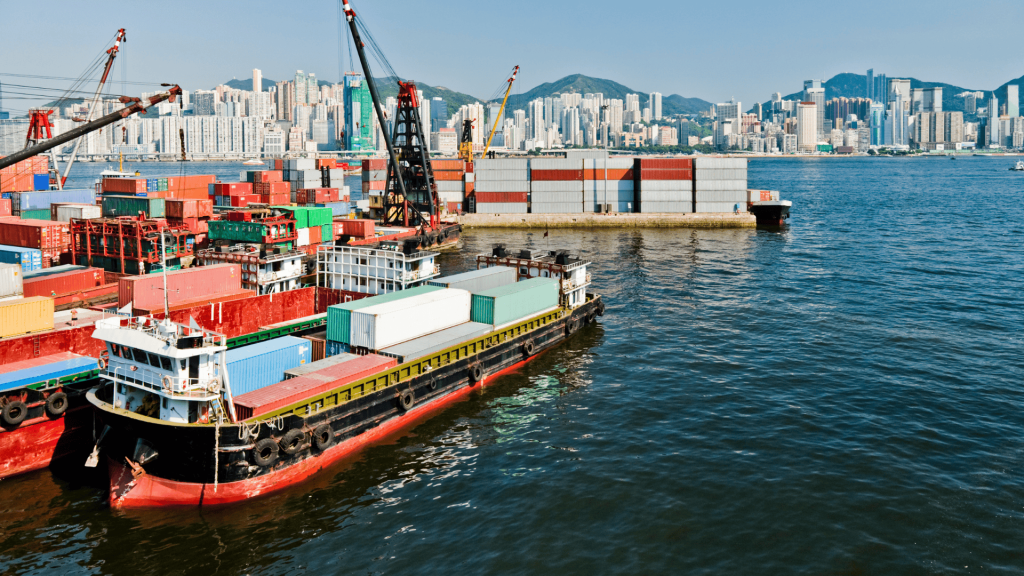
In this context, South Korea’s pursuit of stronger economic cooperation with China, particularly concerning supply chains, is a direct response to these pressures. During the envoy’s visit, both sides agreed to work toward making “substantive progress” on economic and supply chain cooperation. The aim is to secure a stable economic future amidst the uncertainty generated by the ongoing US-China trade war. Despite a mutual desire to develop a “mature” strategic partnership with China, South Korea’s new government emphasized its continued commitment to its alliance with the United States.
This situation is not unique to South Korea. Many nations find themselves in a similar predicament, grappling with the challenge of maintaining economic prosperity while also satisfying the demands of a key ally. In this new era of great power competition, the diplomatic dance for US allies has become more intricate than ever.
Start Trading with Orient Futures Singapore
As an Overseas Intermediary of the Shanghai International Energy Exchange (INE), Dalian Commodity Exchange (DCE), and Zhengzhou Commodity Exchange (ZCE), Orient Futures Singapore provides direct access to trading, clearing, and settlement for internationalised futures contracts in China. Our parent company, Shanghai Orient Futures, is the largest broker by aggregated trading volume across China’s five regulated exchanges.
Beyond China market access, Orient Futures Singapore is also a member of the Singapore Exchange (SGX), Asia Pacific Exchange (APEX), and ICE Futures Singapore (IFSG). Corporate clients can additionally trade on the B3 Exchange through us, further expanding their global trading opportunities.
Expect streamlined processes and an easy-to-use interface designed for minimal latency, accompanied by our team’s round-the-clock availability on trading days to provide assistance for all your trading needs.